

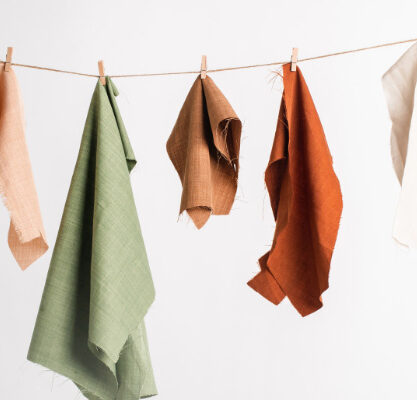


How to Create a Sustainable Wardrobe with Alternative Apparel Eco Fabrics
Learn how to create a sustainable wardrobe with eco-friendly fabrics. Explore alternative materials and make a positive impact on the environment.

More than 100 billion garments are produced annually, and most of the garments end up in landfills or incinerators after use. To reduce the impact on the earth, we can think of more environmentally friendly ways.

When designing clothing, the recyclability of clothing materials and product life cycle are also taken into account. This is an important step that recycles as much material as possible to bring back to life materials that would otherwise be wasted.
The main body of most garments is #fabric, as well as accessories such as zippers, buttons, and stitches.
Therefore, the first step can be to replace the largest amount of cloth from existing materials to recycled materials and bio-based materials.
Recycled materials: recycled polyester from used plastic bottles, recycled nylon from discarded fishing nets or scrap-tire, bio-based materials: polyester from industry starch, nylon from castor oil.
In the second step, you can consider using accessories of the same material as the fabric or reducing the use of supplements, so that the ready-to-wear can smoothly enter the recycling system when they are unusable.
Everyone has a responsibility to protect the earth. We reduces damage to the earth with the SUPPLY GREEN products through green process. Consumers can protect the earth by choosing products that are easier to recycle.
If you want to know more about green process, welcome to Email us
You may also like


You may also like
Learn how to create a sustainable wardrobe with eco-friendly fabrics. Explore alternative materials and make a positive impact on the environment.
Discover the revolution of stretch fabric in fashion and beyond. Learn about its benefits, types, and applications, from sports to business apparel.
Don’t take chances when it comes to electrical safety! Read our guide to Electrical PPE and find out how to stay protected around electricity, no matter where you work.